How the Brownsville Fire Department Aims to Prevent 911 Calls

Dr. John Wells studied at the Texas Tech University School of Medicine, and eventually became the medical director of the Valley Pain & Rehab Center in Brownsville, Texas. Today, Dr. John Wells serves as the medical director of the Brownsville Fire Department, where he oversees Mobile Integrated Health Care and the Community Paramedicine Program.

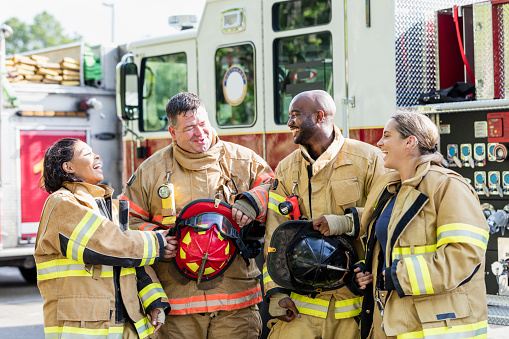
Launched in 2018, Brownsville Mobile Integrated Health Care was developed to deliver preventative care through the emergency response teams with the Brownsville Fire Department. The department operates seven full-time ambulances for emergencies, and another non-emergency truck. The program arranges for scheduled visits from paramedics in those ambulances, who perform home checks on elderly or ill patients.

The program identifies individuals who call 911 most often. These may be people without other options, such as family members to care for them, or those who suffer from chronic illnesses that may develop into critical medical issues. Once identified, the paramedics visit them and provide assistance and resources to prevent further 911 calls. Local community organizations also support the patients with additional services.

Brownsville Fire Department Invests in New All-Terrain Vehicles

Pain management and emergency room medicine specialist Dr. John Wells provides leadership in developing the programs of the health department of the City of Brownsville, Texas as the City Health Authority. Dr. John Wells also led in the creation of the best pre-hospital emergency medical services for the residents of Brownsville as part of his responsibilities as the medical director of the Brownsville Fire Department Emergency Medical Service (Fire/EMS).

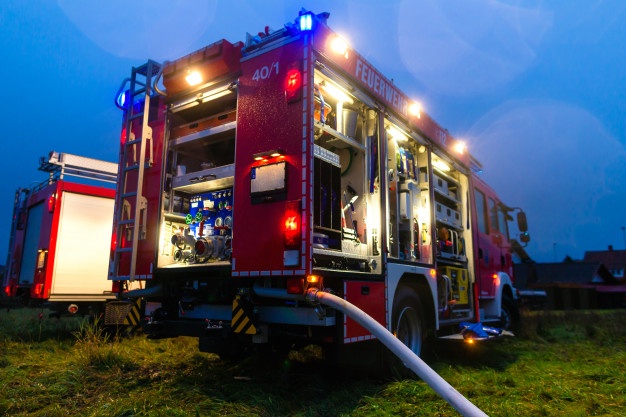
In 2019, the Fire/EMS received a grant amounting to $170,933.43 from the Community Development Block Grant program of the US Department of Housing and Urban Development (HUD). The City of Brownsville used the grant to purchase three units of all-terrain special response vehicles that will be used to respond to medical emergencies in areas that are not accessible to full-sized ambulances.

The new vehicles will be assigned to the Brownsville Fire Department’s Special Operations Division, which also supervises the Hazardous Materials Response Team, the Unmanned Aerial Team, and the Dive and Swift Water Rescue. The new units will be stationed in different fire stations across the city.

In his statement, Brownsville Fire Chief Jarrett Sheldon expressed his gratitude to the Brownsville City Commission and the HUD for supporting the staff of the city government in securing the grant. The new vehicles will greatly expand the Fire Department’s off-road rescue capabilities, Sheldon added.

Brownsville MIH Program Provides Focused Care to CHF Patients

Dr. John Wells serves as the medical director of fire and emergency medical services (EMS) for the City of Brownsville in Texas. In this role, Dr. John Wells focuses on providing the best emergency care possible to the residents of Brownsville and continues to innovate with new programs. Last year, the city announced the start of the Mobile Integrated Health (MIH) program, which reduces strain on emergency providers while improving interventions and outcomes.

MIH targets people who frequently call 911 and offers an alternative way of providing non-urgent care. Through the program, paramedics conduct regular welfare checks in the individual’s home to evaluate personal health and living environment. Then, the provider connects individuals to the right resources to get the proper care.

In Brownsville, the MIH program is serving individuals with congestive heart failure (CHF) who were recently discharged from the hospital. Readmission rates for patients with CHF are high in the first 30 days after discharge and the average cost is about $10,000. By sending paramedics to evaluate patients, care is improved while money is saved. The city hopes to expand its MIH program to a variety of other diagnoses in the near future.

Important Features of a Mobile Integrated Health Program

Brownsville, Texas-based, Dr. John Wells is the CEO of Melchizedek Medical and works with the City Health Authority in a leadership role. As the medical director of fire and EMS services, Dr. John Wells participated in the structuring and implementation of a Mobile Integrated Health (MIH) program in Brownsville in 2019.

An MIH program, at its core, aims to provide patient-centered healthcare services in an outpatient environment to reduce the number of emergency service users. A key component of any MIH program is full integration within the existing healthcare system. It should function as an extension of the services offered by facilities in the area.

Moreover, an MIH should respond to specific needs within a community. If the program cannot address the requirements of local stakeholders, it will fail to reduce the incidence of EMS users. The goal should be to fill specific gaps in the local community.

And, it’s important that any effort toward mobile care be driven by data. By collecting and examining performance metrics, program leaders can ensure that the program is having the intended outcome.

The ET3 Model – An Overview

An MBA graduate in health service management from Texas Tech University – Rawls College of Business, Dr. John Wells, MD, is medical director of Fire/EMS for the City of Brownsville, Texas. In that role, Dr. John Wells integrates experiences from health services management and emergency medicine to develop medical policies in line with federal and state guidelines. Under his leadership, the department has expanded programs, and recently earned acceptance into the ET3 program.

An abbreviation of Emergency, Triage, Treat, and Transport, ET3 is a voluntary payment model developed by the Centers of Medicare & Medicaid Services (CMS) to equip ambulance care teams with flexibility in addressing the emergency health needs for beneficiaries of Medicare Free-for-Service (FFS).

Currently, Medicare regulations allow payment for emergency ambulance services only when individuals are transported to dialysis centers, hospitals, skilled nursing facilities, and critical access hospitals. The ET3 model was developed to avoid unnecessary transport of patients to those facilities in situations where lower-acuity destinations are more appropriate.

With a five-year duration, the ET3 model will enhance the quality of care and minimize expenditures through the following means:

1. Provision of suitable, person-centered care for FFS beneficiaries.

2. Increase efficiency in the current EMS system, so acute cases such as strokes and heart attacks can be responded to in a more timely fashion.

3. Optimize the appropriate utilization of emergency care services.

Benefits of Meditative Walking

Based in Brownsville, Texas, Dr. John Wells has a background in emergency room medicine, correctional medicine management, pain management, and public health. He serves as the medical director of the fire and EMS departments in Brownsville. In his free time, Dr. John Wells enjoys practicing meditation.

Many people are familiar with sitting meditations, which are prevalent in the media. But, Buddhists have also long incorporated walking meditations into their practices. This practice typically involves walking in a circle, back and forth in a straight line, or in a maze. Although some people will do long-distance walking meditations, the most common pace is typically slow.

Meditative walking affords many benefits. First, it boosts blood flow, which can alleviate feelings of stagnancy and raise energy levels. It can improve digestion, as it helps food move through the digestive tract. Walking meditations also have significant mental health benefits. The practice reduces anxiety and depression, improves well-being, and improves sleep quality. It can also inspire creativity and enhances problem-solving techniques.

Brownsville Public Health Provides Zika Prevention Advice

Dr. John Wells is an experienced clinician and medical executive who holds certifications in Basic Life Support, Advanced Cardiac Life Support, Pediatric Life support, and Advanced Trauma Life Support. Currently, Dr. John Wells serves as the Fire/EMS and medical director for the city of Brownsville, Texas, where he also provides public health oversight as the city health authority.

The Brownsville Public Health Department works to improve the quality of life and well-being of the local community through five divisions: Animal Regulation, Inspection & Foods, Ordinance Enforcement, Vector Control, and Wellness. The department has also made a number of resources available to residents regarding Zika, a mosquito-borne transmissible virus.

Zika can lead to Congenital Zika Syndrome, a condition that causes birth defects in babies that include small head size, seizures, and damage to the brain. Preventive measures are important, since most adults affected with the virus show limited symptoms or none at all. Prevention guidelines include using protection during sex, applying an insect repellant approved by the Environmental Protection Agency, installing screens on doors and windows, and wearing long sleeves. Moreover, steps can be taken to reduce the local mosquito population, such as removing standing water around the home.

For a complete listing of Zika resources, visit the Brownsville Public Health Department at https://www.cob.us/1630/Zika.

Using Geo-specific Strategies When Gardening

A Brownsville, Texas resident, Dr. John Wells’ career in medicine spans close to 30 years beginning in the early 1990s. Outside of his profession, Dr. John Wells enjoys gardening.

Gardening is one of those hobbies that takes a great deal of patience and time. However, novice gardeners looking to reduce some of the anxiety related to planting their first garden should consider using geo-specific strategies.

Geo-specific strategies are methods that match the location of the garden with the soil, temperature, and overall environment. These strategies encourage gardeners to plant crops that are indigenous to the environment. If not familiar with the area’s location, novice gardeners are encouraged to enlist the help of master gardeners in the area who can assist with choosing geo-specific plants. Alternatively, gardeners can take courses offered through extension programs.

Before all of this, gardeners should prepare in terms of research and planning the garden. First, consider the purpose of the garden whether it is to plant vegetables or to beautify the yard. Then, they should actually sketch out space for the garden. Finally, consider all of the factors that could potentially impact the crop (i.e. pollinators and soil conditions).

In Brownsville, a geo-specific garden would thrive during the fall when the temperatures are a little bit of cooler. Moreover, the fall is a better time to plant trees because the roots are still warm, which encourages the roots to grow. Trees native to the area include wild olive, mesquite, and soapberries, among others.

Urgent Care Association Updates Industry White Paper

Drawing on several decades of experience, Dr. John Wells,MD,MBA, is medical director of fire and EMS services for the city of Brownsville, Texas. Alongside this, Dr. John Wells,MD, MBA is a member of industry organizations such as the Urgent Care Association (UCA) of America, which works with professionals in the on-demand and consumer-focused healthcare sector.

Recently, UCA updated its industry white paper to update information regarding the trends and challenges facing the sector. Titled “The Essential Role of the Urgent Care Center in Population Health,” the study looks at various insights into the on-demand care industry, such as six percent growth year-on-year, with the organization reporting 9,272 urgent care centers compared to 2018’s 8,774.

The paper also highlighted concerns involved in providing care to patients, particularly given issues of affordability, as well as steps to address these challenges. For example, the recent pilot five-year Emergency Triage, Treat, and Transport (ET3) program will allow Medicare and Medicaid patients to be transported to alternative care centers for non-emergency treatment. The city of Brownsville”s Fire/EMS has applied for the above mentioned CMS pilot program, which should be awarded to a few dozen EMS services throughout the country. If awarded these changes will introduce a new scope of practice for the EMS services to provide patient centered care. While reducing the overall cost to deliver that service by having the option to transporting that patients to a less expensive, and cost-effective near-by urgent care center and/or primary care providers.

Design a site like this with WordPress.com
Get started