
Benefits of Meditative Walking

Based in Brownsville, Texas, Dr. John Wells has a background in emergency room medicine, correctional medicine management, pain management, and public health. He serves as the medical director of the fire and EMS departments in Brownsville. In his free time, Dr. John Wells enjoys practicing meditation.

Many people are familiar with sitting meditations, which are prevalent in the media. But, Buddhists have also long incorporated walking meditations into their practices. This practice typically involves walking in a circle, back and forth in a straight line, or in a maze. Although some people will do long-distance walking meditations, the most common pace is typically slow.

Meditative walking affords many benefits. First, it boosts blood flow, which can alleviate feelings of stagnancy and raise energy levels. It can improve digestion, as it helps food move through the digestive tract. Walking meditations also have significant mental health benefits. The practice reduces anxiety and depression, improves well-being, and improves sleep quality. It can also inspire creativity and enhances problem-solving techniques.
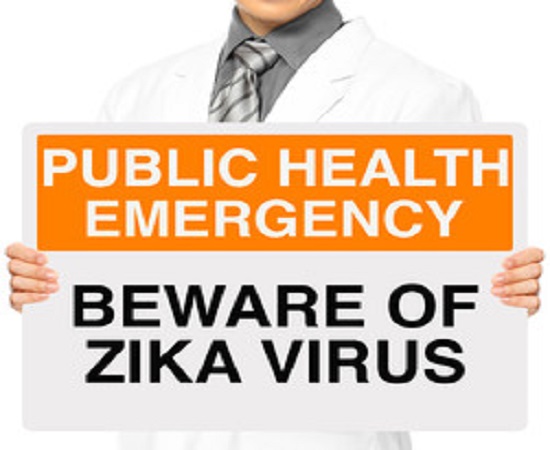

Brownsville Public Health Provides Zika Prevention Advice

Dr. John Wells is an experienced clinician and medical executive who holds certifications in Basic Life Support, Advanced Cardiac Life Support, Pediatric Life support, and Advanced Trauma Life Support. Currently, Dr. John Wells serves as the Fire/EMS and medical director for the city of Brownsville, Texas, where he also provides public health oversight as the city health authority.

The Brownsville Public Health Department works to improve the quality of life and well-being of the local community through five divisions: Animal Regulation, Inspection & Foods, Ordinance Enforcement, Vector Control, and Wellness. The department has also made a number of resources available to residents regarding Zika, a mosquito-borne transmissible virus.

Zika can lead to Congenital Zika Syndrome, a condition that causes birth defects in babies that include small head size, seizures, and damage to the brain. Preventive measures are important, since most adults affected with the virus show limited symptoms or none at all. Prevention guidelines include using protection during sex, applying an insect repellant approved by the Environmental Protection Agency, installing screens on doors and windows, and wearing long sleeves. Moreover, steps can be taken to reduce the local mosquito population, such as removing standing water around the home.

For a complete listing of Zika resources, visit the Brownsville Public Health Department at https://www.cob.us/1630/Zika.

Urgent Care Association Updates Industry White Paper

Drawing on several decades of experience, Dr. John Wells,MD,MBA, is medical director of fire and EMS services for the city of Brownsville, Texas. Alongside this, Dr. John Wells,MD, MBA is a member of industry organizations such as the Urgent Care Association (UCA) of America, which works with professionals in the on-demand and consumer-focused healthcare sector.

Recently, UCA updated its industry white paper to update information regarding the trends and challenges facing the sector. Titled “The Essential Role of the Urgent Care Center in Population Health,” the study looks at various insights into the on-demand care industry, such as six percent growth year-on-year, with the organization reporting 9,272 urgent care centers compared to 2018’s 8,774.

The paper also highlighted concerns involved in providing care to patients, particularly given issues of affordability, as well as steps to address these challenges. For example, the recent pilot five-year Emergency Triage, Treat, and Transport (ET3) program will allow Medicare and Medicaid patients to be transported to alternative care centers for non-emergency treatment. The city of Brownsville”s Fire/EMS has applied for the above mentioned CMS pilot program, which should be awarded to a few dozen EMS services throughout the country. If awarded these changes will introduce a new scope of practice for the EMS services to provide patient centered care. While reducing the overall cost to deliver that service by having the option to transporting that patients to a less expensive, and cost-effective near-by urgent care center and/or primary care providers.

Design a site like this with WordPress.com
Get started